KEY HIGHLIGHTS
- New 50% daily transfer limit kicks in on 15 December 2025.
- Banks will hold high-value transfers for a 24-hour security review.
- Only accounts with S$50,000 or more are affected by the rule.
The new Singapore Bank Transfer Rules 2025 are coming in fast, and many people are already asking how the 50 percent limit will change their daily banking.
The rule kicks in on 15 December 2025, adding an extra security buffer against fast-moving digital scams that can clean out accounts before anyone even notices.
The idea is simple: if outgoing transfers cross half of your account balance within 24 hours, the bank will automatically hold the amount for checks.
This delay gives customers time to spot anything fishy — quite shiok when you think about how quickly scammers act these days.
 Join WhatsApp
Summary of New Transfer Rules (Starts 15 December 2025)
| Aspect | Details |
|---|---|
| Effective Date | 15 December 2025 |
| Who’s Affected | Accounts with S$50,000+ (including joint accounts) |
| Trigger | Transfer exceeds 50% of balance within 24 hours |
| Bank Action | 24-hour hold or rejection |
| Notification | Alerts via app/online banking |
| Exemptions | GIRO, eGIRO, recognised billing organisations |
| Verification | Branches, ATMs, hotline, or digital verification |
How the New 50 Percent Transfer Limit Will Work
Starting 15 December, every transfer you make will be tracked across a 24-hour window.
If your total outgoing amount climbs beyond 50 percent of your existing balance, the system will instantly block or delay the next transfer.
This gives you space to react — especially useful if scammers are trying to push through multiple large transactions one shot.
Who Is Affected by the New Rule
The rule applies to savings and current accounts holding at least S$50,000.
Joint accounts are included, since they often carry larger balances.
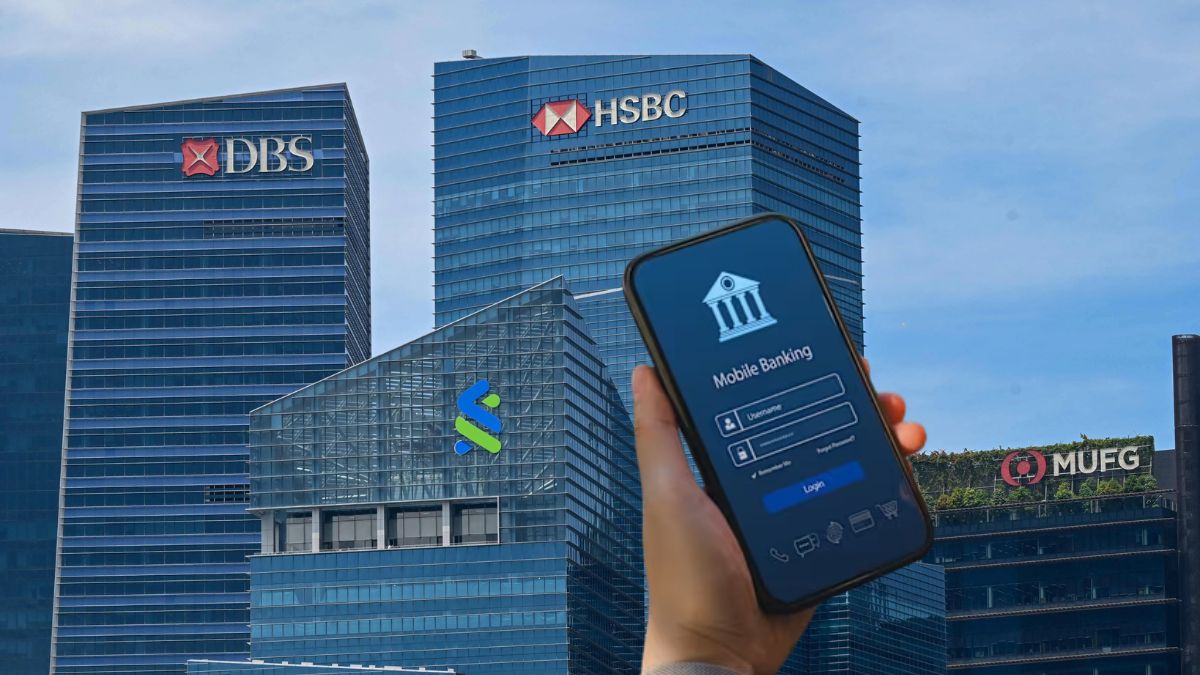
Banks under this framework include DBS, OCBC, UOB, Citibank, HSBC, Maybank and Standard Chartered.
The whole point is to slow down suspicious, high-value transfers that scammers love to exploit.
Official Breakdown of the New Banking Rule
All major banks will follow the same structure, and MAS has confirmed the details.
The rule is designed to be strict but fair, ensuring genuine customers can still verify their transactions easily.
How the Transfer Hold System Operates During the 24-Hour Review
Once a transfer exceeds the threshold, the bank will:
- Flag it immediately
- Send you an alert
- Ask for verification
During the 24-hour review, you can cancel the transfer if you didn’t approve it.
If it’s legitimate, you simply verify it — the bank releases the funds after the review period.
Good news: recurring payments like utilities, insurance, and loan instalments won’t kena any delays.
Impact on Daily Payments and Customer Experience
For most Singaporeans, everyday banking won’t feel much different.
But high-value transfers — buying property, paying contractors, or large investments — may take longer.
MAS already said some inconvenience is unavoidable, but the extra safety is worth it lah.

Banks are also rolling out better real-time alerts, so people can easily spot fake messages and avoid panic.
Why This Security Framework Matters for Bank Users
Even though scam numbers dropped in 2025, scammers are still very active.
In the first seven months alone, banks blocked S$78 million in attempted scam withdrawals.
The new rule ensures scammers cannot instantly empty accounts, even if they gain access.
It’s basically a safety brake — confirm helps.
Steps Customers Should Take Before 15 December 2025
Here’s what you should settle before the rule kicks in:

- Plan big transfers earlier
- Turn on all mobile banking alerts
- Follow verification steps properly
- Double-check suspicious messages asking you to transfer money
- Teach older family members how the new rule works
A bit of prep can save a lot of stress later.
Frequently Asked Questions
1. When does the new 50 percent transfer rule begin?
It starts on 15 December 2025 across all major banks in Singapore.
2. Will every account be affected?
No. Only savings and current accounts with balances of S$50,000 or more are included.
3. Are recurring or essential payments impacted?
No. GIRO, eGIRO and payments to recognised billing organisations continue as usual.