KEY HIGHLIGHTS
- South Africa raises the official retirement age to **67** from 2025.
- Early retirement stays available from **age 60**, but with reduced payouts.
- Revised rules reshape social grants, pensions, and personal savings plans.
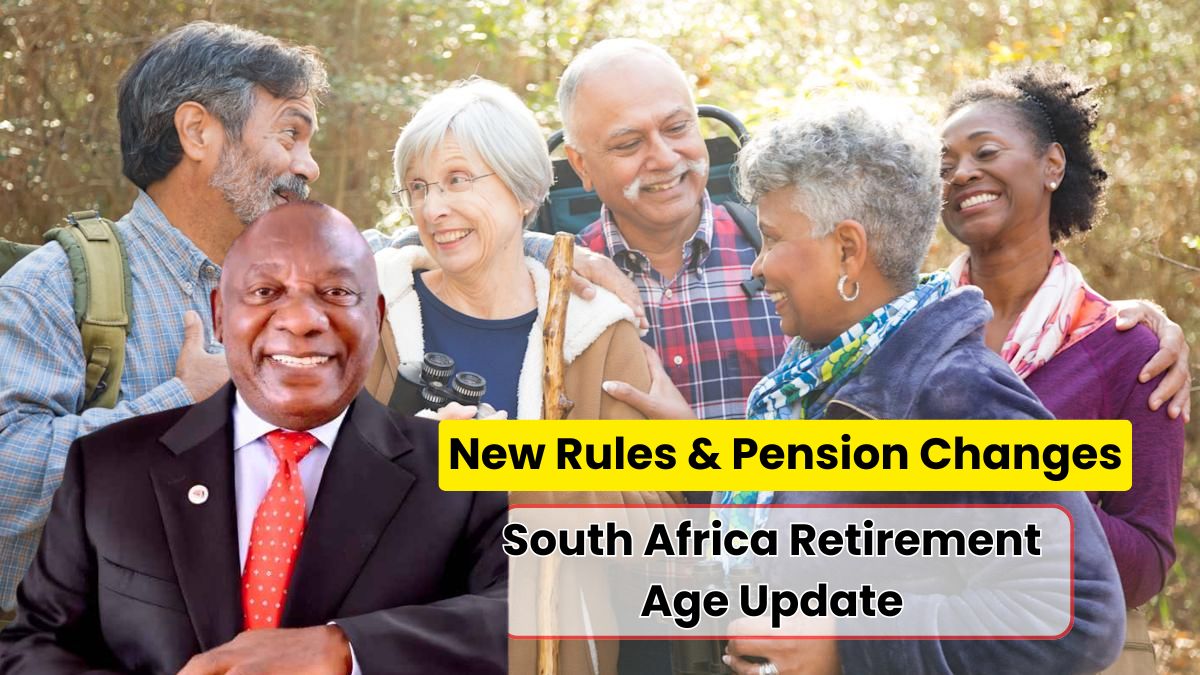
South Africa is stepping into 2025 with a fresh set of retirement rules, and many citizens are wondering what these changes mean for their future. The government has pushed the official retirement age from 65 to 67, adjusted pension fund access, and updated social grant eligibility to match the new guidelines.
If you’re planning your retirement or supporting an elderly family member, these updates matter. They shape everything from when you can stop working to how much support you may receive.
Here’s a clear, friendly breakdown of what’s changing and how it affects everyday South Africans.
 Join WhatsApp
Summary of Retirement Changes (2025)
| Feature | Updated Rules 2025 |
|---|---|
| Official Retirement Age | Increased from 65 → 67 years |
| Early Retirement | Allowed from 60 with reduced benefits |
| Pension Fund Withdrawal | Available only after official retirement age or special cases |
| Social Grant Eligibility | Adjusted to match the new age |
| Taxes | Contribution/withdrawal rules may change |
| Employer Duties | Update pension schemes + inform employees |
| Impact on Savings | Citizens encouraged to review their retirement plans |
| Old Age Grant | Updated in line with the new retirement age |
Why the Government Is Extending the Retirement Age
South Africans today are living longer, and that’s a good thing. But longer life expectancy also places more pressure on the pension system. By raising the retirement age to 67, the government aims to:
- Keep pension funds sustainable
- Allow citizens to earn for a longer period
- Reduce strain on the national budget
This shift means you may need to rethink when you want to retire and how much you’ll need to save.

Early Retirement: Still Possible at 60
You can still retire at 60, but your benefits will be lower. That’s because payouts have to last longer if you stop working early.
Early retirement tends to work best for people who:
- Have strong personal savings
- Have investments that generate stable income
- Are unable or unwilling to work until 67
If you’re considering this route, it helps to speak with a financial advisor to understand the long-term impact.
How Social Grants and Pension Funds Are Affected
Social grants, including the Old Age Grant, now fall in line with the new retirement age. This means many South Africans will have to wait two more years before they qualify.
Pension fund rules may also shift, especially regarding:

- When you can withdraw
- How much tax you’ll pay
- Whether employer schemes need to be updated
If you’re contributing to a retirement annuity or employer pension fund, this is a good time to review your portfolio.
What South Africans Should Pay Attention To
Here’s what you should keep in mind as the 2025 rules come into effect:
Review your savings
Your retirement contributions may need adjusting to ensure long-term comfort.
Understand tax changes
Revised regulations may influence how much tax you pay on withdrawals.
Check your grant eligibility
The new timeline affects when you can start receiving the Old Age Grant.

Speak to professionals
It’s wise to consult financial planners or accredited advisors so you’re not caught off guard.
Planning for a Longer Working Life
With retirement now officially pushed to 67, both employers and employees have homework to do.
For employees
Think about how your finances, healthcare, and lifestyle will evolve. Maybe you want to downsize, invest more aggressively, or pick up part-time work after retiring.
For employers
Companies must revise their pension schemes and explain updates clearly to their workers.
Preparing early can make the transition much smoother and protect your long-term financial stability.

Final Thoughts
South Africa’s 2025 retirement reform is one of the biggest policy changes in recent years. For many citizens, it means working longer — but it also offers a chance to build stronger financial security.
Whether you plan to retire at 60 or 67, the key is to stay informed, make smart adjustments, and map out a plan that fits your life and goals.
Disclaimer
This article provides general information only. It does not replace professional advice. Speak with certified financial advisors or SASSA officials for personalised guidance on retirement or social grant matters.