If you’ve ever wondered how Singapore manages to help people retire with confidence, stay protected during health emergencies, and even own a home without drowning in loans—here’s the thing: CPF quietly holds everything together. Most people know it exists, but not everyone understands how powerfully it works behind the scenes. Once you break it down, the whole system starts to make sense.
Think about it this way. Every month, a part of your salary doesn’t just disappear—it’s being stored, grown, and protected in one of the world’s most reliable social security systems. And when you see how each CPF account works, you realise it’s not just a savings plan… it’s long-term security, built step-by-step.
What Central Provident Fund Singapore
CPF is Singapore’s mandatory social security savings scheme funded by both employees and employers. It’s designed to meet three essential needs: retirement, housing, and healthcare. Instead of relying on one source later in life, CPF spreads your safety net across multiple accounts.
 Join WhatsApp
From my experience reading countless financial systems, very few countries run something this structured and predictable. CPF gives Singaporeans a sense of long-term stability—especially for those earning lower wages, who get extra help through Workfare and government MediSave top-ups.
How Your CPF Accounts Work
Your CPF contributions are split into three important accounts:

Ordinary Account (OA)
Used mainly for housing and part of your retirement savings.
Special Account (SA)
Dedicated to retirement with higher interest designed to grow long-term savings.
MediSave Account (MA)
Meant specifically for healthcare costs, insurance premiums, and hospitalisation.
Here’s a quick look at how interest works across the accounts:
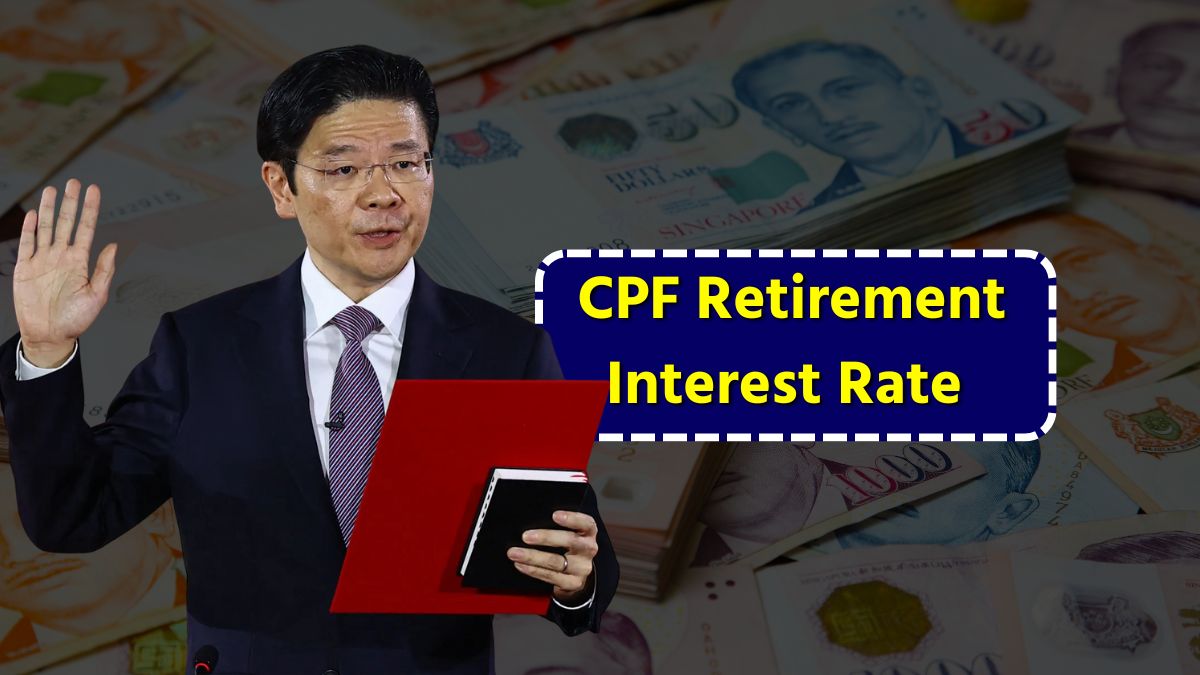
CPF Interest Rates 2025
Here’s a simple table to keep things clear:

| CPF Account | Interest Rate |
|---|---|
| Ordinary Account | 2.5% |
| Special Account | 4% |
| MediSave Account | 4% |
| Retirement Account | 4% |
And here’s something many people overlook:
- Members below 55 earn up to 5% on the first $60,000 of combined balances.
- Members 55 and above earn up to 6% on the first $30,000, and up to 5% on the next $30,000.
That’s serious compounding power over the years.
When You Can Withdraw Your CPF
A lot of people wait decades for this part, so let’s break it down simply:
Withdrawal Age: 55
This is when you can start withdrawing your CPF savings, including a lump sum. You can always take out the first $5,000, even if you haven’t met your Basic Retirement Sum.
Payout Eligibility Age: 65
If you were born after 1953, you’ll start receiving monthly retirement payouts from 65 onward.

Understanding the CPF Basic Retirement Sum (BRS)
Here’s why the BRS matters: it’s meant to cover your basic living expenses after you stop working. Think of it as your safety buffer.
And yes, if you own a property with a remaining lease that lasts you to at least age 95, you’re allowed to withdraw savings above your BRS. This gives homeowners some flexibility later in life.
CPF Retirement Sums Transfer
At 55, the savings in your OA and SA move into your Retirement Account. This becomes the foundation for your future payouts.
For members turning 65 from 2023 onwards, it’s possible to withdraw up to 20% of your Retirement Account savings at once (minus the earlier $5,000 withdrawal at 55).
This phased structure isn’t random—it evolves to match rising living costs and inflation, making sure payouts remain meaningful over time.

Frequently Asked Questions
1. Can I withdraw all my CPF at 55?
Not fully. You can take out the first $5,000 no matter what. Any extra depends on whether you’ve set aside your retirement sum. If you own a property with a long lease, you may be allowed to withdraw more.
2. What happens to my CPF when I turn 65?
You’ll start receiving monthly payouts from your Retirement Account. The amount depends on how much you’ve saved and which retirement sum you set aside at 55.
3. How does CPF help low-wage workers?
Low-wage Singaporeans receive additional support through Workfare and government MediSave top-ups, which help boost their retirement and healthcare savings over time.