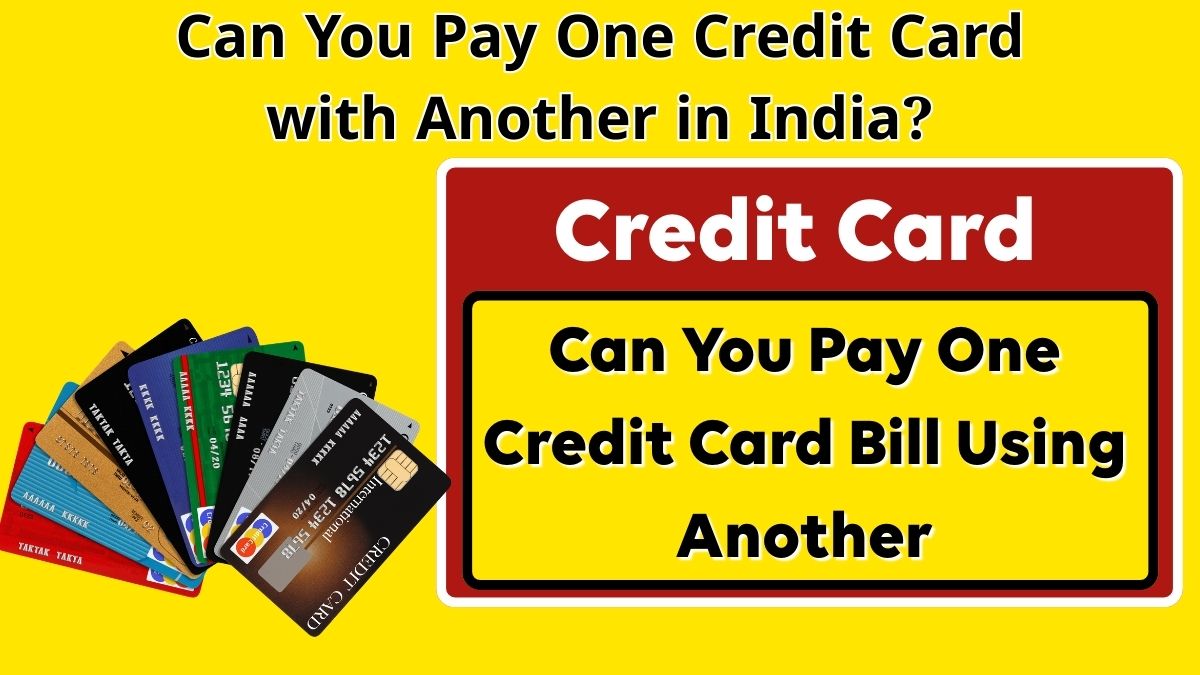
Most cardholders wonder about this at some point. Especially when the bill feels heavier than expected.
But here’s the simple truth: India does not allow direct card-to-card credit card payments.
This rule exists to stop unmanageable debt cycles and keep users financially safe.
Comparison Table: What Actually Works & What Doesn’t
| Method | Allowed in India? | Cost/Charges | Risk Level | Best For |
|---|---|---|---|---|
| Balance Transfer | Yes | Low fees, low interest | Low | Reducing interest & consolidating debt |
| Cash Advance | Yes | Very high fees & immediate interest | High | Emergency only |
| Card-to-Card Direct Payment | No | Not allowed | High | Not permitted |
| UPI/Wallet Payment via Another Card | No | Restricted | High | Not possible |
| Bank Transfer from Savings Account | Yes | Normal | Low | Regular bill payment |
Balance Transfer: The Easiest and Most Practical Method
If you genuinely need a breather, balance transfer is the safest route.
 Join WhatsApp
Your new credit card provider directly pays your old card’s pending bill.
Your dues simply shift to the new card—often at lower interest.
Why people choose this method:

- Lower interest rates compared to regular card bills
- 0% promotional periods on some cards
- Helps combine multiple dues into one, making repayment easier
Most big Indian banks actively promote this because it gives customers better repayment control.
Cash Advance: Works, But Comes with a Heavy Price
You can withdraw cash from one credit card, deposit it in your bank, and pay another card bill.
But honestly… this is the costliest choice.
Here’s why it pinches:
- Interest starts immediately — no grace period
- Cash withdrawal fee is high
- Debt snowballs quickly if not repaid fast
Think of this as a last-resort option, not a regular habit.
Why India Doesn’t Allow Direct Card-to-Card Payments
The RBI’s rules are strict for a reason.

India wants credit card payments to go through bank accounts or official channels like NEFT, UPI, NetBanking.
Direct card-to-card payments are banned because:
- It artificially increases your total debt
- You’re not repaying—just shifting dues endlessly
- Banks face systemic risk
- It becomes harder to track real liability
This rule protects both customers and banks.
Popular Myths That Simply Don’t Work
People often assume UPI apps or wallets can route one card payment to another.
But the reality is different.
- Paytm, PhonePe, GPay don’t support direct card-to-card transfers
- Wallet loading via credit cards is heavily restricted
- Credit-card-to-UPI limits apply and don’t allow bill payment
So these “jugaad” methods won’t solve the problem.

Low on Funds? Here’s the Smartest Move
If money is tight and the bill date is close, the most sensible option is:
Use a balance transfer to shift dues to a lower-interest card.
But avoid these mistakes:
- Paying bills through cash advances
- Using more than 90% of your card limit monthly
- Repeatedly moving debt across cards
These actions can harm your credit score fast.
Why Banks Treat This Behavior as Risky
Banks track two things closely:

- Your repayment behaviour
- Your debt type and pattern
If you keep transferring balances, taking cash advances, or paying one card with another, banks may tag you as a high-risk user.
That can lead to:
- Reduced credit limit
- Rejected card applications
- Higher interest rates
Better to stay on the safe side.